Recent incidents of racial discrimination by British football fans have sparked widespread concern, with fears that such behavior may repeat itself. This article will delve into the issue, examining the causes and potential solutions.
1、Root Causes of Racial Discrimination
The roots of racial discrimination in football can be traced back to societal prejudices and historical injustices. Deep-seated racism and xenophobia often manifest in sports arenas, where fans feel emboldened to express their discriminatory views.
Moreover, the lack of diversity in football leadership and governance can perpetuate discriminatory attitudes among fans. When authorities fail to take a strong stance against racism, it sends a message that such behavior is tolerable.
Additionally, the influence of media and popular culture can shape fans' perceptions and attitudes towards different racial groups. Stereotypes and biases portrayed in the media can fuel discriminatory behavior in football stadiums.
2、Impact on Players and Fans
Racial discrimination in football not only affects players on the field but also creates a hostile environment for fans of minority backgrounds. Players subjected to racist abuse may experience psychological trauma and loss of confidence, impacting their performance and well-being.
For fans of minority backgrounds, witnessing racial discrimination in stadiums can lead to feelings of alienation and insecurity. This toxic atmosphere can drive fans away from the sport and undermine efforts to promote diversity and inclusion.
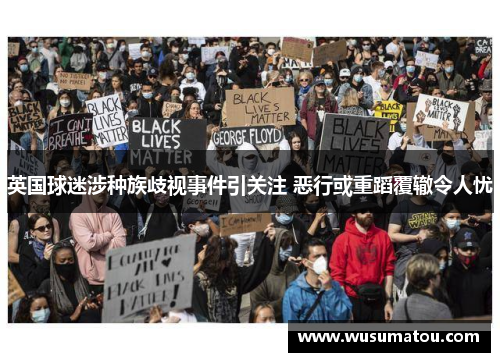
Furthermore, the normalization of racist behavior in football can have broader societal implications, perpetuating harmful stereotypes and divisions in communities.
3、Efforts to Combat Racial Discrimination
In recent years, football authorities and organizations have implemented various initiatives to tackle racial discrimination in the sport. Anti-discrimination campaigns, education programs, and sanctions for offenders have been introduced to promote respect and diversity.
Players, coaches, and officials have also taken a stand against racism, using their platforms to raise awareness and condemn discriminatory behavior. Solidarity among stakeholders is crucial in sending a clear message that racism has no place in football.
Furthermore, collaborations between football clubs, communities, and advocacy groups can facilitate dialogue and understanding, fostering a culture of inclusivity and respect among fans.
4、Challenges and Future Outlook
Despite efforts to combat racial discrimination, challenges persist in eradicating deep-rooted prejudices and changing behavior. The rise of online abuse and social media platforms has provided a new avenue for racists to perpetuate hate and harassment.
Looking ahead, a multi-faceted approach is needed to address the complexities of racial discrimination in football. Continued education, awareness-raising, and robust enforcement of anti-discrimination policies are essential to create a safe and inclusive environment for all.
Ultimately, by working together as a collective, football stakeholders and fans can challenge discriminatory attitudes and build a more equitable and respectful sporting community.
taptap宝金搏app下载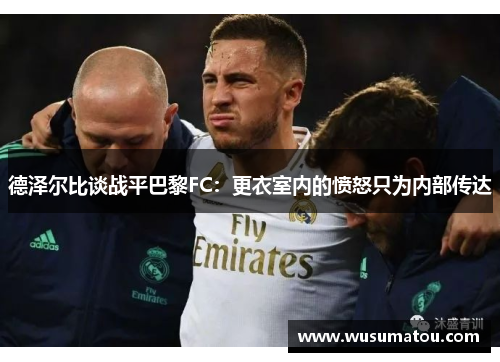
德泽尔比谈战平巴黎FC:更衣室内的愤怒只为内部传达
德泽尔比谈战平巴黎FC:更衣室内的愤怒只为内部传达,本文旨在探讨球员之间在比赛中的情绪传达及内部沟通。通过对德泽尔比战平巴黎FC的事件进行分析,揭示了更衣室内部愤怒的真正目的。这种情绪传达不仅仅是为了...
曼联寻新主帅:里斯本之行或启示富勒姆主帅马尔科·席尔瓦。
曼联寻新主帅:里斯本之行或启示富勒姆主帅马尔科·席尔瓦。这篇文章将探讨曼联在寻找新主帅时可能会从里斯本之行中获取灵感,以及这可能会给富勒姆主帅马尔科·席尔瓦带来什么启示。通过分析这些内容,希望可以为曼...